跳至主要内容

What is refractory ?


What is refractory ?

Refractory refers to the temperature in degrees Celsius at which a conical specimen of refractory material can withstand the action of high temperatures without softening and melting under no load. However, refractories cannot be completely described by the definition of refractoriness, and 1580°C is not absolute. Yyrefractory refractory raw materials are a class of inorganic non-metallic materials whose refractoriness is not lower than 1580℃. Materials now defined whose physical and chemical properties allow their use in high temperature environments are called refractories. Refractory materials are widely used in metallurgy, chemical industry, petroleum, machinery manufacturing, silicate, electric power and other industrial fields. They are used the most in the metallurgical industry, accounting for 50%-60% of total production.


The workability of refractory materials includes consistency, slump, fluidity, plasticity, cohesion, resilience, coagulation, hardening, etc.


Main products of refractory materials:

As a refractory manufacturer, Gongyi Yuying Refractory Co., Ltd. mainly produces refractory materials: shaped refractories and unshaped refractories; shaped refractories mainly include: high alumina bricks, clay bricks, corundum bricks, insulating fire bricks, etc. ; Unshaped refractories mainly include: refractory castables, ramming materials, refractory cement, bauxite, alumina powder, corundum and so on.
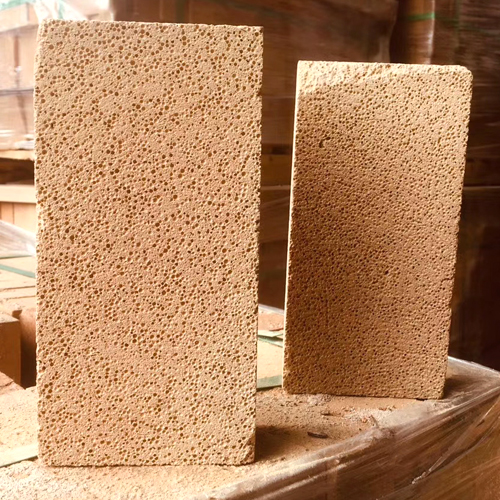

high alumina refractory bricks


Application of refractory materials:

Refractory materials are used in various fields of the national economy such as iron and steel, non-ferrous metals, glass, cement, ceramics, petrochemicals, machinery, boilers, light industry, electric power, and military industries, and are essential basic materials to ensure the production operation and technological development of the above industries. It plays an irreplaceable and important role in the development of high temperature industrial production. get more details from www.yyrefractory.com.


评论

此博客中的热门博文

What is the difference between ASA roofing and traditional shingles?

 Tiles are an important roofing waterproof material for houses, traditional tiles are fired with soil or made of cement and other materials. The shapes are arched, flat or half-cylindrical, etc. Features of traditional building tiles: 1. Poor durability and easy to break 2. The surface is rough and easy to accumulate snow 3. Large difference in size, heavy weight, inconvenient transportation and construction 4. The construction requires mortar paste, and the construction process is cumbersome 5. The maintenance cost is high, and if the construction is not good, it is easy to have potential safety hazards. 6. Traditional roof tiles cannot be recycled after use, causing pollution and waste. The resin tile is made of super weather-resistant ASA engineering resin as the surface material, ASA weather-resistant engineering resin is a ternary polymer, which has chemical corrosion resistance, long weather resistance, heat insulation and flame retardant, color it is stable, ...

Refractory material for cement kiln: Silicon Mulite Brick, High Aluminum brick

  Cement kiln collaborative disposal technology realizes the "reduction, harmlessness, and resourceization" of garbage, and has achieved good social benefits, environmental benefits and economic benefits. However, due to a large amount of harmful ingredients such as sulfur, alkali, and chlorine in garbage waste, it is enriched in the cement kiln heater system, which causes refractory bricks to be easily eroded, peeled, and damaged. At present, aluminum silicon products in the low -temperature zone of cement rotation kiln, such as silicon -silicon martyrs, anti -peeling high aluminum bricks, and new low aluminum Mo Lai stone bricks, etc., the differences in raw materials and physical and chemical performance are obvious. In this work, compare the alkali corrosion performance of different products above, and combine the analysis of the micro structure and the composition of objects to determine its quality of anti -alkali erosion performance, and then optimize the...

What characteristics should blast furnace gunning material have?

  What characteristics should blast furnace gunning material have? 1 The original furnace refractory material of blast furnace is fully utilized, and the consumption of refractory material is reduced. 2. The gunning operation time is short, the intermediate repair time is saved, and the blast furnace operation rate is improved. ) significantly reduces the heat that needs to be taken away by cooling during major and medium repairs of the blast furnace, thereby reducing energy consumption. 4) The construction of gunning operation is convenient. After gunning, it is beneficial to maintain a reasonable furnace type, improve the distribution of charge and gas flow, improve the utilization of gas energy, and play a role in increasing production and consumption. What are the main methods of blast furnace gunning and gunning materials ? Blast furnace gunning method gunning materials can generally be divided into the following three ways: (1) Ordinary cold gunning. Generally...