跳至主要内容

Ensuring Safety and Compliance: Fiber Cement Siding Installation


In the world of construction and home improvement, safety and compliance are paramount. When it comes to the installation of fiber cement siding, adhering to safety regulations and building codes is not just a legal requirement but a responsibility that ensures the well-being of homeowners and the longevity of the project.
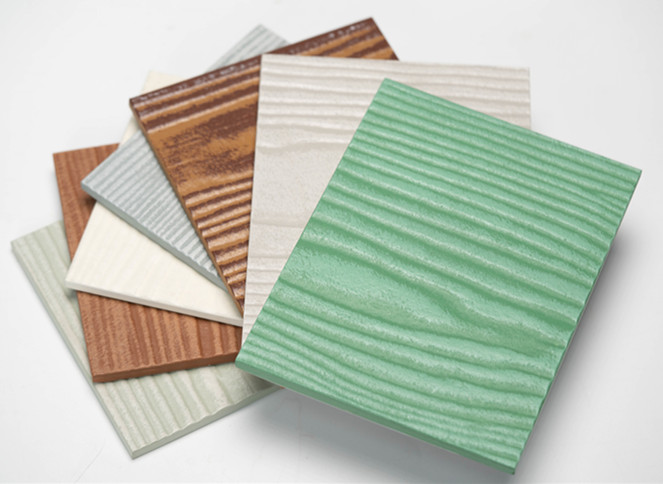
   

1. Understanding Local Building Codes:

One of the first steps in any fiber cement siding installation is to thoroughly understand the building codes specific to your location. Building codes can vary from state to state and even within municipalities, so it's crucial to research and follow the regulations relevant to your project.


2. Proper Anchoring and Attachment:

Building codes often specify the proper anchoring and attachment methods for fiber cement siding. This ensures that the siding can withstand the elements and remain secure over time. Non-compliance in this area can lead to siding damage and potential hazards.


3. Ventilation and Moisture Control:

Proper ventilation and moisture control are critical to prevent issues like mold and rot. Building codes may outline requirements for moisture barriers, flashings, and ventilation systems to maintain a dry and safe environment behind the siding.


4. Fire Safety Measures:

Depending on the area's fire risk, building codes may dictate fire-resistant siding materials and installation methods. Compliance with these codes enhances fire safety, protecting both the structure and its occupants.


5. Accessibility and Egress:

Codes may also address accessibility and egress requirements, especially for multi-story buildings. Ensuring proper installation and clear pathways is essential for occupant safety during emergencies.Permits and Inspections: Include images of building permits, inspection certificates, or professionals interacting with building inspectors. These visuals convey the regulatory aspect of the topic.


6.Before-and-After:

Consider including before-and-after photos of a siding installation project, showcasing how compliance with building codes and regulations can result in a safe and aesthetically pleasing outcome.


7. Quality Workmanship:

Highlight photos that depict well-executed fiber cement siding installations, showcasing attention to detail and craftsmanship.


8. Homeowner Satisfaction:

Include images of satisfied homeowners in front of their homes with newly installed fiber cement siding. This can convey the idea that compliance with regulations leads to happy clients.

评论

此博客中的热门博文

What is bauxite used for?

  What is bauxite used for? Bauxite is a kind of bauxite which is made of bauxite as raw material, sintered at 1500 ℃ to form a block, ground, bagged and processed by a crusher. The sieve fineness of bauxite is about 325 mesh. It is usually used in precision casting. Yyrefractory is a professional manufacturer of all kinds of refractory grade bauxite. 1. Aluminum industry. It is used in the fields of national defense, aviation, automobile, electrical appliance, chemical industry, daily necessities and so on. Precision casting. The bauxite clinker is processed into fine powder and made into a precision casting mold. Suitable for military, aerospace, communications, instrumentation, machinery and medical equipment and other sectors. 3. Refractory products. The refractoriness of bauxite clinker is as high as 1780℃, with strong chemical stability and good physical properties. 4. Aluminum silicate refractory fiber. It has the advantages of light weight, high temperature...

What is the difference between ASA roofing and traditional shingles?

 Tiles are an important roofing waterproof material for houses, traditional tiles are fired with soil or made of cement and other materials. The shapes are arched, flat or half-cylindrical, etc. Features of traditional building tiles: 1. Poor durability and easy to break 2. The surface is rough and easy to accumulate snow 3. Large difference in size, heavy weight, inconvenient transportation and construction 4. The construction requires mortar paste, and the construction process is cumbersome 5. The maintenance cost is high, and if the construction is not good, it is easy to have potential safety hazards. 6. Traditional roof tiles cannot be recycled after use, causing pollution and waste. The resin tile is made of super weather-resistant ASA engineering resin as the surface material, ASA weather-resistant engineering resin is a ternary polymer, which has chemical corrosion resistance, long weather resistance, heat insulation and flame retardant, color it is stable, ...

Is there any difference between the different colors of clear plastic roof sheets?

  PC lighting tiles are based on polycarbonate (PC) engineering plastics. And add UV anti -ultraviolet agents and other chemical auxiliary agents, which are made of today's advanced technology and equipment. It has a strong light transmittability and strong weather resistance. It can be used at -40 ° to+120 °. The resistance is 250 times that of ordinary glass. The flame retardant B1 level is obvious. It is widely used: agricultural greenhouses, garden breeding greenhouses, station terminals, waiting pavilions ceiling, factory warehouse commercial building roofs, etc. Clear plastic roof shingles usually come in clear or translucent colors that allow natural light to filter through. Of course, tinted options in colors like green, blue or gray are also available. Clear plastic roof sheets supplier china There are differences between the different colors of clear plastic roof shingles, mainly in the amount of light that is transmitted through the shingles. Trans...